Finding Laughter in the Silence
How Maharashtra Chi Hasa Jatra Became My Lifeline After a Stroke
Life has a peculiar way of changing our perspectives. There are moments that divide our existence into clear chapters—before and after. For me, that dividing line was drawn by a stroke that left me bedridden, dependent, and searching for meaning in the quiet hours that stretched endlessly before me.
I must confess, during the lockdown, I actively avoided Maharashtra Chi Hasa Jatra. The program seemed too loud, too boisterous for my sensibilities at the time. The cacophony of laughter and exaggerated expressions felt overwhelming when the world itself was drowning in uncertainty. Little did I know that this very program, which I once dismissed, would become my anchor in the darkest waters I would ever navigate.
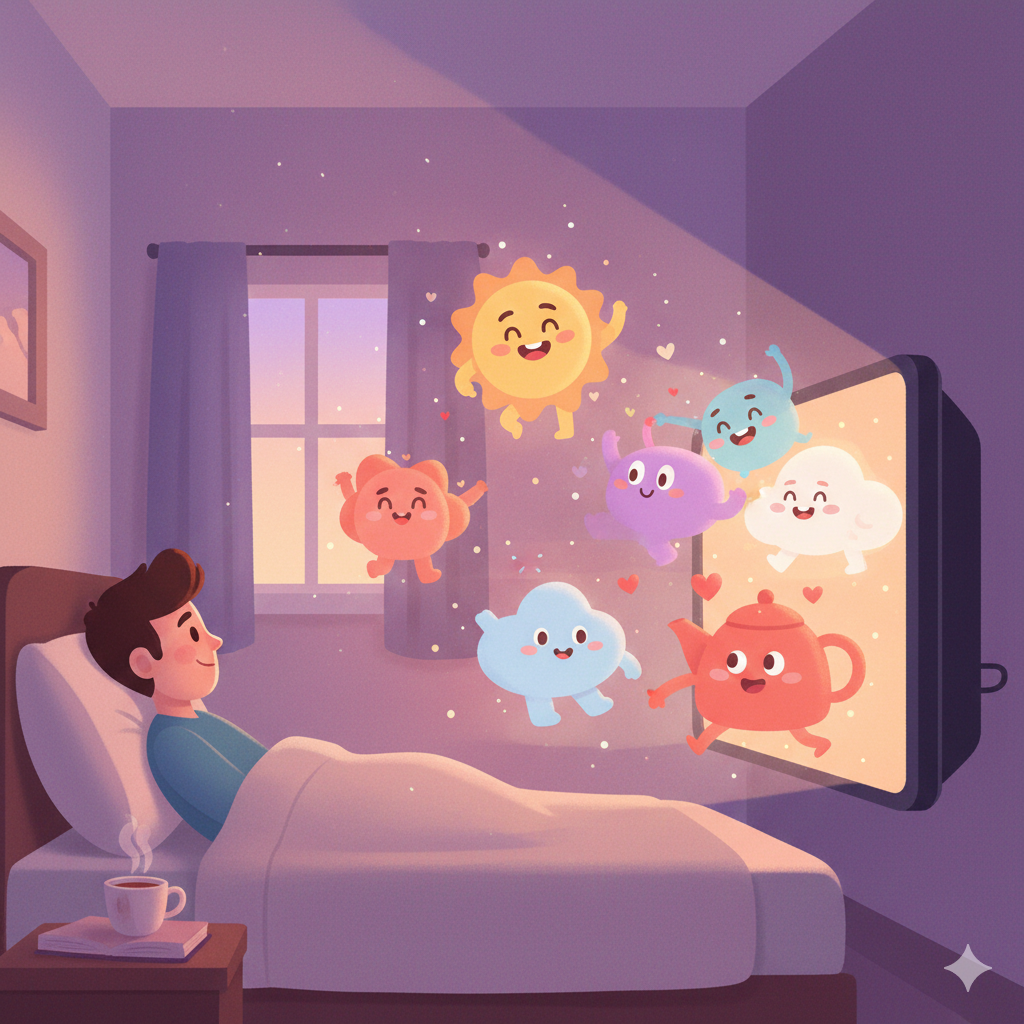
After my stroke, bedridden and battling waves of depression that seemed to have no shore, I found myself reaching for the remote with trembling hands. The silence of my room was deafening. The walls seemed to close in. And then, almost by accident, I landed on Maharashtra Chi Hasa Jatra. This time, something was different. This time, I was different.
What I once perceived as noise transformed into music. The laughter that seemed too loud became a lifeline pulling me out of the depths of despair. Each character, with their unique quirks and comedic timing, began to feel less like actors on a screen and more like members of my own household. They weren’t just performing comedy—they were keeping me company through my loneliest hours.
And then there’s Shramesh. Oh, Shramesh! Among all the brilliant characters, his portrayal stands out like a beacon of pure joy. Especially his “Chi Sou Ka” character—the timing, the expressions, the way he embodies the essence of Marathi humor with such authenticity. While every actor brings their unique flavor to the show, there’s something about Shramesh’s comic genius that resonates deeply with me. Perhaps it’s his ability to find humor in the mundane, or the way his characters reflect the everyday Maharashtrian we all know and love. His performances don’t just make me laugh; they remind me of home, of warmth, of the life I’m fighting to reclaim.
As days turned into weeks and weeks into months, these characters became my family. They were there when I woke up struggling with the reality of my condition. They were there during the painful rehabilitation sessions. They were there when depression whispered that recovery wasn’t worth the effort. The beauty of Maharashtra Chi Hasa Jatra lies not just in its comedy, but in its ability to create a sense of belonging, a feeling that you’re not alone in your struggles, that laughter can coexist with pain.
Every episode became a ritual, a meditation of sorts. The familiar faces, the recurring jokes, the predictable yet comforting patterns—they provided structure to days that otherwise felt shapeless. In a life where so much control had been taken from me, this program gave me something to look forward to, something that was mine to enjoy at my own pace.
A Heartfelt Thank You
To every actor, writer, and crew member of Maharashtra Chi Hasa Jatra—you may never read these words, but I need to express my gratitude. You’ve done more than entertain me; you’ve given me reasons to smile when smiling felt impossible. You’ve reminded me that joy still exists, that laughter is still possible, that life—even in its most challenging moments—is worth living.
You’ve been my companions through depression, my cheerleaders during recovery, and my family when I needed one most. Thank you for making me laugh. Thank you for making me feel. Thank you for simply being there, brightening my screen and lightening my heart.
From the bottom of a heart learning to heal, thank you for making my life better, one episode at a time.
Written with gratitude and hope for brighter tomorrows